

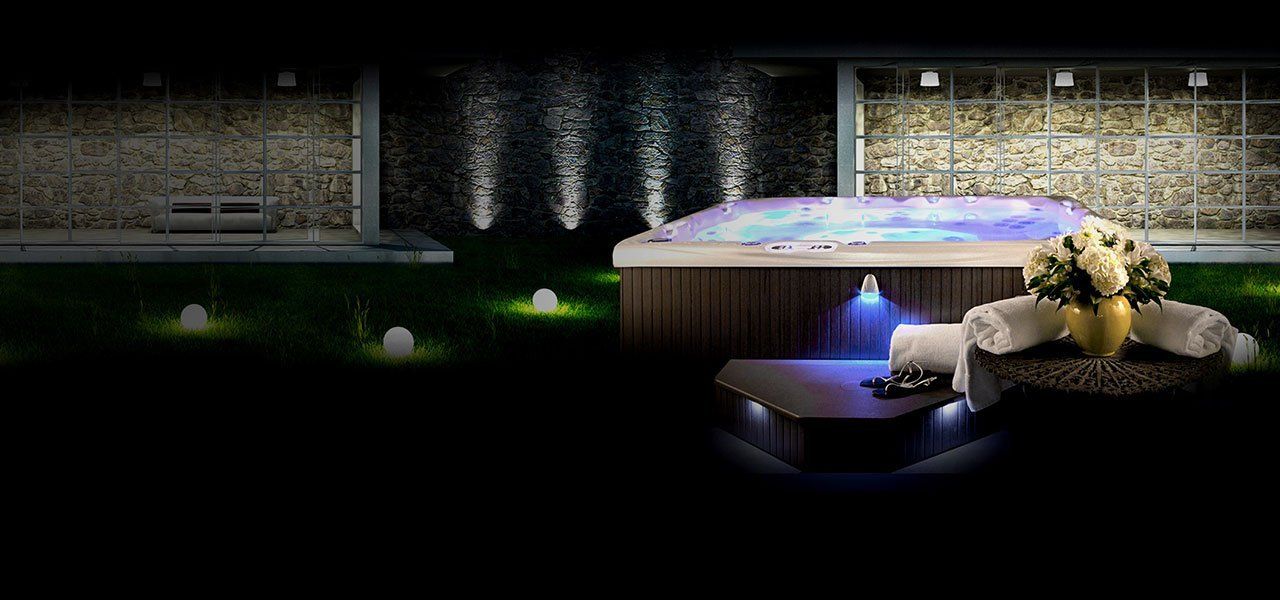
swimming pools, hot tubs swimming pools, spas newcastle spas, hot tubs north yorkshire saunas north yorkshire
swimming pools
CONTACT US NOW ON 01748 812039 OR CLICK ON THE CONTACT BUTTON FOR OUR CONTACT FORM

Luxury Spas, Swimming Pools, Saunas & Steamrooms

We believe that spending time with family and friends is what most of us live for, yet we tend to neglect this time and overlook one of the most precious sanctuaries within our homes, the garden! Owing a spa/hot tub or swimming pool will open up a whole new world to you and your family and friends. So when looking for advice on the most rewarding purchase you will ever make, why not contact the longest established Pool and Spa Company in the area.

A Bigger Splash is a friendly family business with no high pressure sales staff. Steve Hammond has over 20 years experience in the industry providing services for the residential and commercial customer in the North East of England. Our showroom is conveniently located just off the A1 south of Scotch Corner. Our showroom may not be as large as some of our competitors, so we therefore have to be selective on the spas and products we display. Our aim is to offer you not necessarily the cheapest products but products that are the best value, durable and reliable.

If you are not sure of the best location or building requirements for your project, we offer a advice and site survey if necessary.

Products and Services


Hot Tub & Spa Services Cartridge Filters, Covers, Domestic & Commercial Installation, Sales of Portable and Inground Spas, Service & Maintenance, Spares for most makes of hot tubs.
We have experience in the following makes of Hot Tubs & Spas Aegean, Alps, Artic, Artesian, Beachcomber, Canadian, Catalina, Coast, Del Sol, Dimension One, Dynasty, Elite, Emerald, Eurospa, Freeflow, Garden Leisure, Gulf Coast, Hot Springs, Hydro Spa, Insparations, Jacuzzi, L A Spas, Marquis, Master, Mistral, Maxx, Northstar, Sapphire, Saratoga, Spaform, Strong, Sundance, Tiger River, Voyager, Vita.
Swimming Pool Equipment Automatic Pool Cleaners, Automatic Pool Covers, Cleaning & Maintenance Products, Competition & Poolside Equipment, Filters & Filter Sand & Glass Media, Heat Pumps, Heat Recovery Units, Pipe and Fittings, Pool Covers, Pool Handrails & Ladders, Pool Heating, Pool Lighting, Pool liners, Pumps, Swim Jets & Counter Current Units, Pool Toys & Inflatables, Pool Ventilation Units. 
Spares available for the following manufacturers: Americian Products, Aquaspeed, Astral, Barracuda, Certikin, Cofies, Dolphin, Elecro, FAS, Hayward, Kreepy Krawly, Invarmex, ITT, Lacron, Midas, Pentair, Plastica, Polaris, Thermalec, Triton
Swimming Pools Above Ground Pools, Concrete Pools, DIY Pool Kits, In Ground Pools, Indoor Pools, Outdoor Pools, Pool Buildings, Timber Pools, Polypool, System Pools, Pool Design, Pool Maintenance, Pool Repairs
Water treatment We supply quality branded products for the domestic and commercial customer including:
Aquasparkle and SpaGuard Hot Tub and Spa Chemicals, Bioguard and Blue Horizon Swimming Pool Chemicals.  Non Chlorine Sanitizers Chemical Dosing Units & Spares, Water Testing Equipment.
Sauna & Steamrooms Sauna Traditional Stoves and Infra Red, Steamrooms, Spares for Tylo, Helo & Vapac
Other Leisure products Firepits, Outdoor Drink Coolers

Additional Information


Swimming Pools Yorkshire


A swimming pool, swimming bath, wading pool, or simply a pool, is a usually artificially constructed container filled with water intended for swimming or water-based recreation. There are many standard sizes; the largest and deepest is the Olympic size. A pool can be built either above or in the ground, and from materials such as metal, plastic, fiberglass or concrete.

Pools that may be used by many people or by the general public are called public, while pools used exclusively by a few people or in a home are called private. Many health clubs, fitness centers and private clubs have public pools used mostly for exercise. Many hotels and massage parlors have public pools for relaxation. Hot tubs and spas are pools with hot water, used for relaxation or therapy, and are common in homes, hotels, clubs and massage parlors. Swimming pools are also used for diving and other water sports, as well as for the training of lifeguards and astronauts.

Chemical disinfectants such as chlorine, bromine or mineral sanitizers, and additional filters are often used in swimming pools to prevent growth and spread of bacteria, viruses, algae and insect larvae. Alternatively, pools can be made without chemical disinfectants by using a biofilter with additional filters. In both cases, pools need to be fitted with an adequate flow rate.


Saunas Newcastle Upon Tyne


A sauna (pronounced /ˈsɑunɑ/), is a small room or house designed as a place to experience dry or wet heat sessions, or an establishment with one or more of these and auxiliary facilities. These facilities derive from the Finnish sauna. The word "sauna" is also used figuratively to describe an unusually hot or humid environment.

A sauna session can be a social affair in which the participants disrobe and sit or recline in temperatures of over 80 °C (176 °F). This induces relaxation and promotes sweating.

Saunas can be divided into two basic styles: Conventional saunas that warm the air or infrared saunas that warm objects. Infrared saunas may use various materials in their heating area such as charcoal, active carbon fibers, and other materials.


Hot Tubs Sunderland


A hot tub is a large home-made or manufactured tub or small pool full of heated water and used for soaking, relaxation, massage, or hydrotherapy. In most cases, they have jets for massage purposes. Hot tubs are usually located outdoors, and are often sheltered for protection from the elements, as well as for privacy. Other variants in naming include "SPA", and the trade name "Jacuzzi". These variants can be used to mean an indoor fixture, but a "Hot Tub" is almost always outdoors.

There are essentially two different styles of hot tubs:

* Simple wooden-staved soaking tubs
* One piece plastic tubs (usually referred to as spas)

Hot tubs are usually heated using an electric or natural gas heater, though there are also submersible wood-fired heaters, as well as solar hot water systems. Hot tubs are also found at natural hot springs; in this case, the water may be dangerously hot and must be combined with cool water for a safe soaking temperature.

Water sanitization is very important in hot tubs, as many organisms thrive in a warm, wet environment. Maintaining the hot tub water chemistry is also necessary for proper sanitization and to prevent damage to the hot tub.


Steam Room North Yorkshire


Traditional Steam Rooms

Historically, steam rooms have been constructed with various forms of tile using ceramic or some form of stone. These tile materials, including the grout and mortar components, are highly porous. It only take a few days for organic material – matter such as mold, mildew, bacteria to flourish within the pores of this material in a steam room environment. Because the source of heat in a steam room is in the moisture, temperatures within steam rooms are typically between 105 to 110 degrees. The result is a warm, wet and porous environment ideal for the harvesting of all types of harmful organic matter.

New Steam Room Trend

There has been a shift from tile steam rooms to more of a hybrid system that is both more efficient and more sanitary. The hybrid steam room is made of a composite fiberglass and acrylic and does not require the waterproofing commonly associated with tile steam rooms. Traditional tile steam rooms typically require deep cleanings on a daily basis, and within just a couple of years, grout deteriorates requiring replacement, thus leading to the need for retiling every four to six years. These hybrid steam systems, on the other hand, sterilize automatically every night and only need to be wiped down with basic eco-friendly cleaning products.


Swimming Pool Equipment Yorkshire


Water pump

An electrically operated water pump is the prime motivator in recirculating the water from the pool. Water is forced through a filter and then returned to the pool. A typical pool pump uses 500 watts to 2,000 watts. Commercial and public pool pumps usually run 24 hours a day for the entire operating season of the pool. Residential pool pumps are typical run for 4 hours per day in winter (when the pool is not in use) and up to 24 hours in summer. To save electricity costs most people run for between 6 hours and 12 hours in summer with the pump being controlled by an electronic timer. Commercial pools require a minimum 4 hour circulation of the total water volume.

Some pool pumps have two motor speeds to reduce power consumption at times when full power is not needed. Other pump manufacturers (typically Italian or other European) have redesigned their units to use a smaller electric motor with heavier windings, therefore consuming less energy, to power a larger pump impeller. Variable-speed pumps reduce power consumption even more. These pumps run slowly 24 hours a day. The slow speed typically cleans better because smaller particles can be filtered. At the slow speed, minimal resistance in the pipes reduces the energy needed to move the water.

Pool pumps typically are "self priming": they may be positioned above the mean water level of the pool yet still start up and function after a timed rest period. Pumps that do not "self prime" are termed "flooded suction" and must be gravity fed by the pool by being located below the mean level of the pool water.

Most pool pumps available today incorporate a small filter basket termed a "hair and lint strainer" or "lint pot" as the last effort to avoid leaf or hair contamination reaching the close-tolerance impeller section of the pump.


Filter Unit

A pressure-fed filter is typically placed in line immediately after the water pump. The filter typically contains a media such as graded sand (called '14/24 Filter Media' in the UK system of grading the size of sand by sifting through a fine brass-wire mesh of 14 to the inch to 24 to the inch). A pressure fed sand filter is termed a 'High Rate' sand filter, and will generally filter turbid water down to 10 micrometers in size.[3] The rapid sand filter type are periodically 'back washed' as contaminants reduce water flow and increase back pressure. Indicated by a pressure gauge on the pressure side of the filter reaching into the 'red line' area, the pool owner is alerted to the need to 'backwash' the unit. The sand in the filter will typically last five to seven years before all the "rough edges" are worn off and the more tightly packed sand no longer works as intended. Recommended filtration for public/commercial pools are 1 ton sand per 100,000 liters water.

Introduced in the early 1900s was another type of sand filter; the 'Rapid Sand' filter, whereby water was pumped into the top of a large volume tank (3' 0" or more cube) containing filter grade sand, and returning to the pool through a pipe at the bottom of the tank. As there is no pressure inside this tank, they were also known as 'gravity filters'. These type of filters are not greatly effective, and are no longer common in home swimming pools, being replaced by the pressure-fed type filter.


Other filter media

Other filters use diatomaceous earth to help filter out contaminants. Commonly referred to as 'D.E.' filters, they exhibit superior filtration capabilities.[4] Often a D.E. filter will trap water-borne contaminants as small as 1 micrometer in size. D.E. filters are banned in some states, as they must be emptied out periodically and the contaminated media flushed down the sewer, causing a problem in some districts' sewage systems.

Other filter media that have been introduced to the residential swimming pool market since 1970 include sand particles and paper type cartridge filters of 50 to 150 square feet (14 m2) filter area arranged in a tightly packed 12" diameter x 24" long (300 mm x 600 mm) accordion-like circular cartridge. These units can be 'daisy-chained' together to collectively filter almost any size home pool. The cartridges are typically cleaned by removal from the filter body and hosing-off down a sewer connection. They are popular where backwashed water from a sand filter is not allowed to be discharged or goes into the aquifer.


Skimmers

Water is typically drawn from the pool via a rectangular aperture in the wall connected through to a device fitted into one (or more) wall/s of the pool. The internals of the skimmer are accessed from the pool deck through a circular or rectangle lid, about one foot in diameter. On lifting the lid (if the pool is operational) you will see water being drawn from the pool, over a floating weir (operating from a vertical position to 90 degrees angle away from the pool, in order to stop leaves and debris being back-flooded into the pool by wave action), and down into a removable "skimmer basket", the purpose of which is to entrap leaves and other floating debris. The aperture visible from the pool side is typically 1' 0" wide by 6" high, which intersects the water midway though the center of the aperture. Skimmers with apertures wider than this are termed "wide angle" skimmers and may be as much as 2' 0" wide (600 mm). Floating skimmers have the advantage of not being affected by the level of the water as these are adjusted to work with the rate of pump suction and will retain optimum skimming regardless of water level leading to a markedly reduced amount of bio-material in the water. Skimmers should always have a leaf basket or filter between it and the pump to avoid blockages in the pipes leading to the pump and filter.


Overflow channel pools

An overflow channel is a gutter that surrounds the pool, covered by a removable grille. Surface water flows over the edge of the pool and runs by gravity to the filtration plant, usually via a catchment and top-up tank. Often the exterior pool wall is higher than the overflow channel, eliminating the possibility of pool water overflowing onto the adjacent pool surround. Other designs may not have this feature, relying instead on a wider drainage system to trap any overflowing water.

Overflow channels allow faster turnover of the surface water than is possible with simple weir skimmers, which is why they are commonly found in public pools. They can also be attractive designs, particularly when transformed into a total "vanishing edge" pool. This design has been used to great effect in prize winning contemporary home design, notably in Southern California and the surrounding desert states.


Pool water returns

The final link in the pool recirculation system: skimmer-pump-filter-returns are the water returns. Typically these are referred to as "eyeballs" as they incorporate a swiveling nozzle that can be locked down to point in the desired direction and are reminiscent of a swiveling human eyeball. The directional adjustment is usually a 360 degree radius circle of 45 degrees away from the pool wall. Most home pools would incorporate at least two such "eyeballs". One recent development in skimmers was the 1970s "Aquagenie(TM)" which differers considerably operationally from conventional skimmers—most of which are quite similar in operation, if not appearance—by both drawing the pool water and returning it to the same location through a submerged slot which diverts the water downwards and in a wide fan shape. The concept incorporates a reservoir system to contain saturated trichor tablets which the resulting high strength chlorinated water dribbles back into the recirculation system, so it doubles up as a chlorine feeder as well as a normal skimmer. Arguably an "improvement" in skimmer design, patents on the device expired in 2003 and the system is now available from several US manufacturers.

Home   |   Swimming Pools   |   Spas   |   Saunas   |   Contact Us   |   Supplier Links
Bedale | Billingham | Bishop Auckland | Consett | Darlington | Durham | Gateshead | Harrogate |
Hartlepool | Leeds | Middlesbrough | Morpeth | Newcastle Upon Tyne | Northallerton |
Richmond | Ripon | Stockton on Tees | Scarborough | Stokesley| Sunderland
 | Thirsk | Washington | York | North Yorkshire |County Durham | Tyne & Wear
Copyright 2008 A Bigger Splash. All Rights Reserved.
Website Design By CPC Marketing Specialists in Internet Marketing